








Author: Domingo H.C
Published on: December 9, 2025
Introduction
Many people confuse the roles of a lawyer, a notary, and a legal advisor, believing that all three offer the same services. While they all work within the legal field, their responsibilities, authority, and functions are very different. Choosing the wrong professional can cost you time, money, and even legal protection.
Understanding the key differences between these three roles helps you make smarter decisions when you need legal assistance. This article clearly explains what each professional does and when you should hire the right one for your situation.
1. What Does a Lawyer Do?

A lawyer is a licensed legal professional who represents clients in court, provides legal advice, prepares legal documents, and defends or prosecutes cases. Lawyers handle lawsuits, criminal defense, civil disputes, immigration cases, family law matters, and business conflicts.
Only a licensed lawyer can officially represent you in court and act on your behalf in legal proceedings. If your case involves litigation, defense, or legal strategy, a lawyer is the correct professional.
2. What Does a Notary Do?

A notary is a public official authorized to witness signatures, verify identities, and certify documents. Notaries do not provide legal advice or represent clients in court. Their role is limited to ensuring the authenticity of documents such as affidavits, powers of attorney, contracts, and sworn statements.
Notaries help prevent fraud, but they do not analyze legal consequences or offer legal strategies.
3. What Does a Legal Advisor Do?

A legal advisor provides general legal guidance without representing clients in court. They help individuals and businesses understand regulations, policies, contracts, and compliance requirements. Legal advisors often work within companies, government institutions, or private consulting firms.
They are useful for preventive guidance, but they do not replace a licensed attorney in legal disputes.
4. Key Differences Between a Lawyer, Notary, and Legal Advisor

The main difference between these professionals lies in their legal authority:
-
A lawyer can represent you in court and handle lawsuits.
-
A notary only certifies documents and signatures.
-
A legal advisor offers guidance but cannot litigate cases.
Knowing these differences helps you avoid paying for the wrong service.
5. When Do You Need a Lawyer?

You need a lawyer whenever your situation involves a lawsuit, legal dispute, criminal charges, immigration proceedings, divorce, inheritance conflict, or business litigation. Any case that requires legal defense, legal negotiation, or court representation must be handled by a licensed attorney.
Hiring the wrong professional in these situations can result in lost cases and serious legal consequences.
6. When Is a Notary Enough?
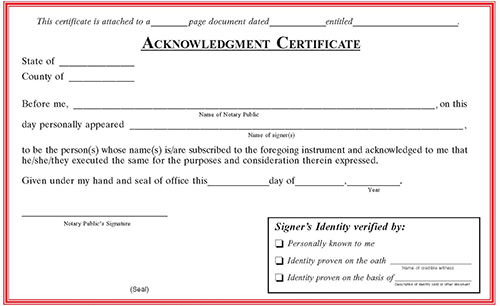
A notary is sufficient when you only need to certify signatures or authenticate documents. For example, notarizing a power of attorney, an affidavit, or a simple agreement. If no legal analysis or court involvement is required, a notary provides a quick and affordable service.
However, if the document involves complex legal rights, legal advice is still recommended.
7. When Should You Consult a Legal Advisor?

A legal advisor is useful when you need ongoing legal guidance for business operations, compliance issues, regulatory questions, or internal policies. They help prevent legal problems before they arise but cannot replace courtroom representation.
For disputes or lawsuits, a lawyer is always required.
Trusted Legal Resources
🔗 https://www.usa.gov/notary
🔗 https://www.usa.gov/legal-aid
Final Call to Action
👉 Before hiring any legal professional, make sure you understand the difference between a lawyer, a notary, and a legal advisor. Choosing the right expert from the beginning protects your rights, your time, and your money.