





✅ Criminal Prosecution Explained: What It Is, How It Works, and Your Legal Rights
Author: Domingo H.C
Published on: December 9, 2025
Introduction
Criminal prosecution is one of the most important processes in the justice system. It refers to the legal action taken by the State against a person accused of committing a crime. Unlike civil cases, which deal with private disputes, criminal prosecution involves public interest, public safety, and the enforcement of criminal law.
Understanding how criminal prosecution works is essential for citizens, students, business owners, and anyone who wants to protect their legal rights. In this article, you will learn what criminal prosecution is, who initiates it, how it develops, and what rights the accused has during the process.
What Is Criminal Prosecution?


Criminal prosecution is the formal process through which the government, usually through a prosecutor or district attorney, brings criminal charges against a person suspected of breaking the law. The goal is to determine whether the accused is guilty or innocent and, if guilty, to impose a legal penalty.
This process protects society by enforcing criminal laws while also guaranteeing due process and fairness for the accused.
Who Initiates a Criminal Prosecution?

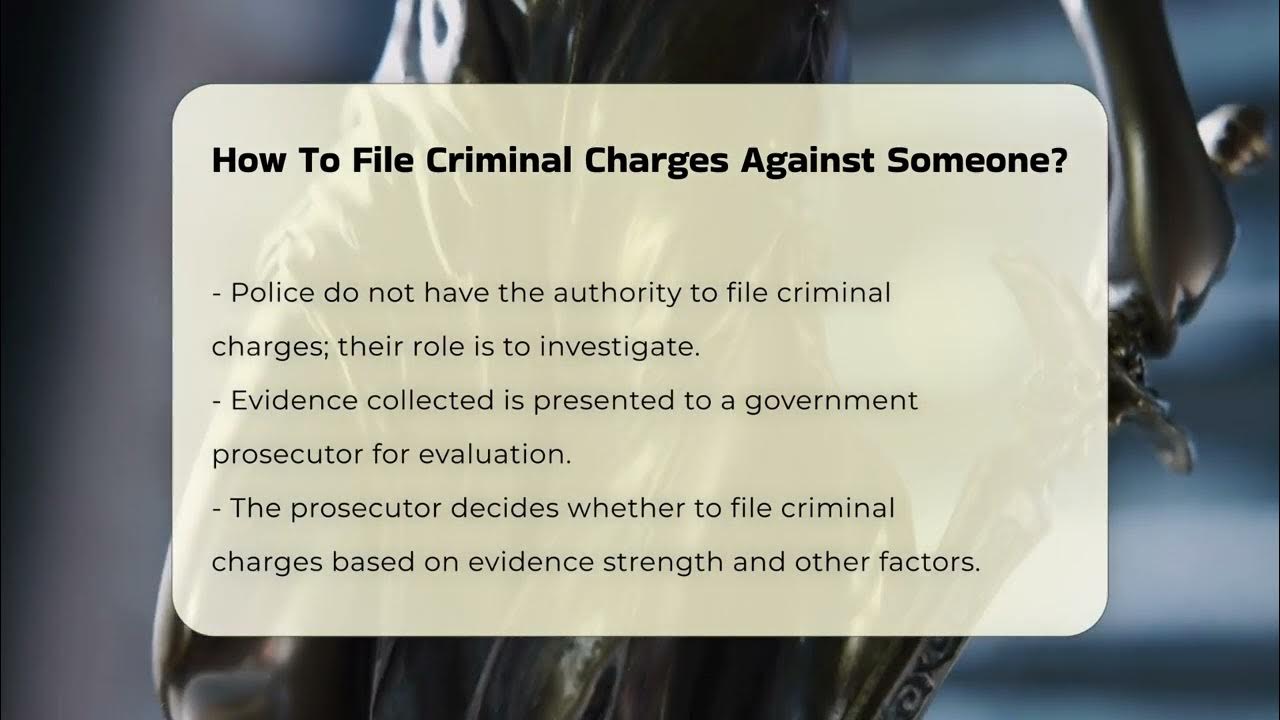
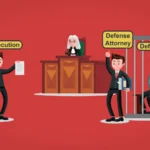
In most legal systems, criminal prosecution is initiated by a public prosecutor, not by a private citizen. While victims can file complaints or police reports, only the prosecutor has the authority to:
-
File formal charges
-
Represent the State in court
-
Request arrest warrants
-
Seek criminal penalties
The prosecutor must evaluate evidence and determine whether there is enough legal basis to move forward with a criminal case.
Stages of the Criminal Prosecution Process
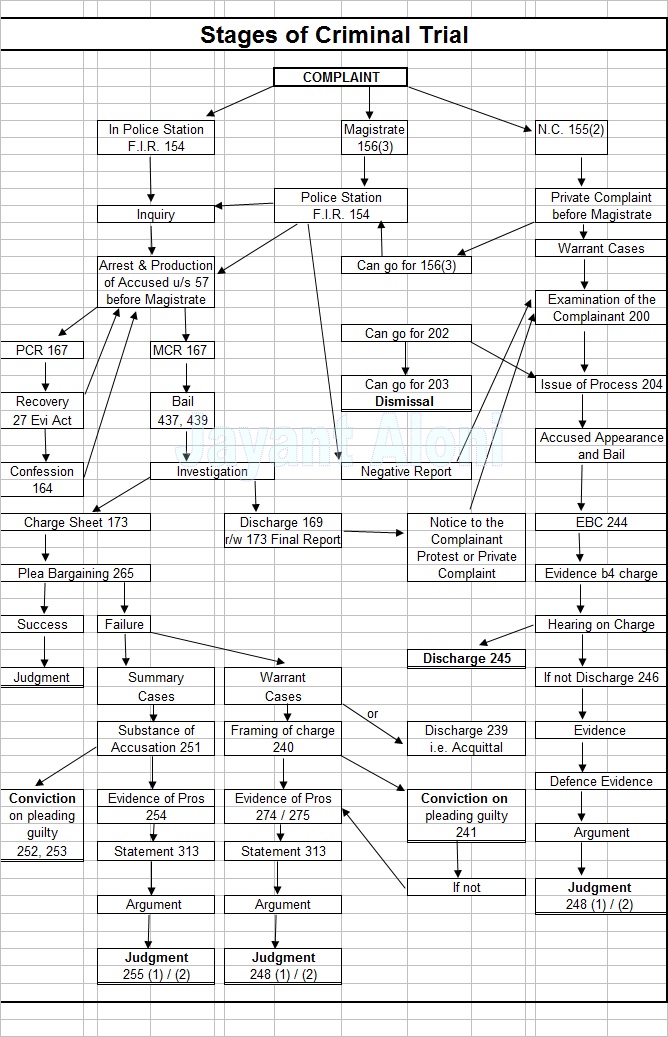
Criminal prosecution generally follows several key stages:
-
Investigation – Police gather evidence and identify suspects
-
Filing of Charges – The prosecutor formally accuses the suspect
-
Arraignment – The defendant is informed of the charges
-
Pre-Trial Motions – Evidence is reviewed and challenged
-
Trial – Both sides present arguments and evidence
-
Verdict – The judge or jury decides guilt or innocence
-
Sentencing – The court imposes penalties if convicted
Each stage is strictly regulated by criminal procedure laws.
The Role of the Prosecutor
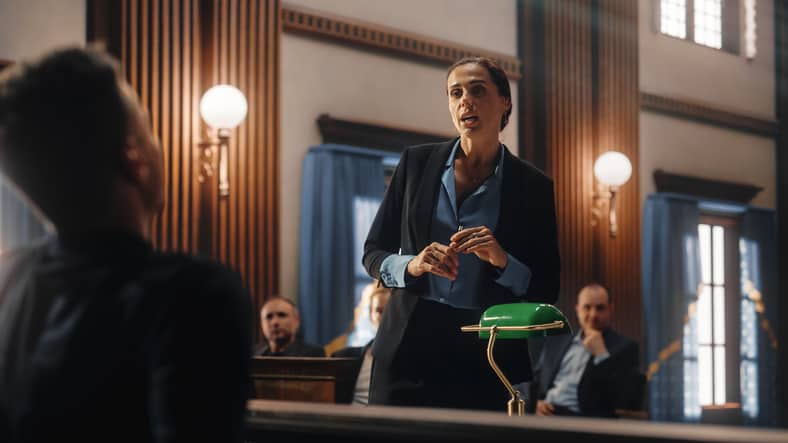
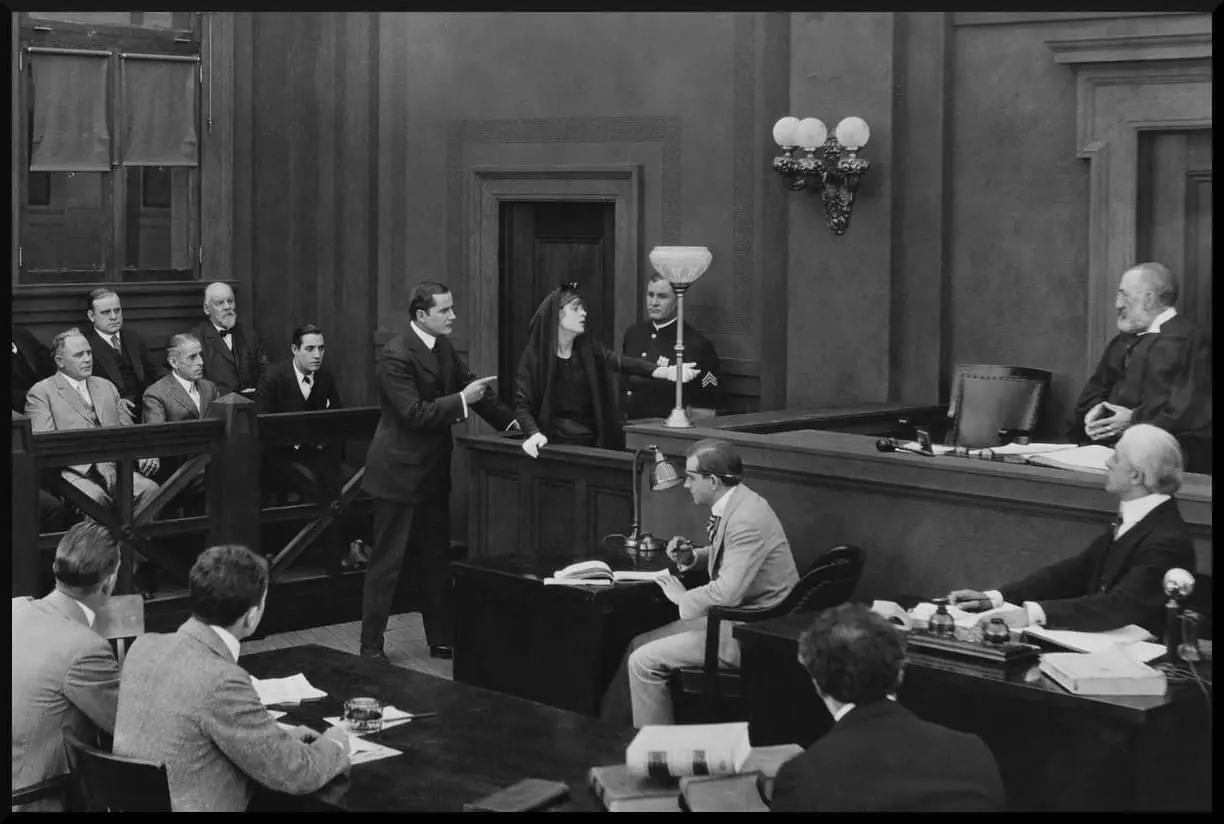
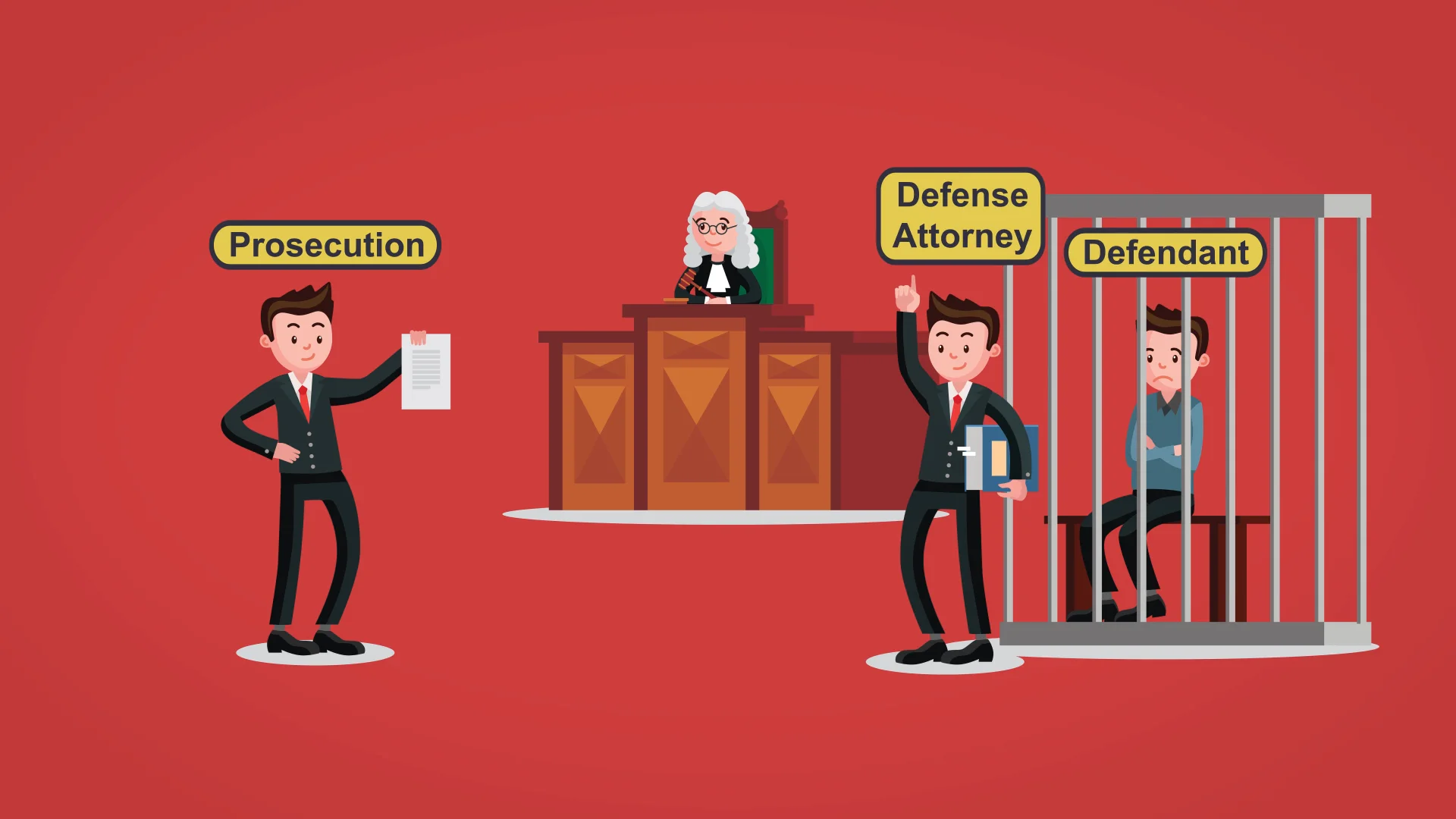
The prosecutor is not just a legal adversary. Their duty is to seek justice, not simply to convict. A prosecutor must:
-
Present lawful evidence
-
Respect due process
-
Protect victims’ rights
-
Ensure a fair trial
If a prosecutor violates legal procedures or withholds evidence, the case may be dismissed.
The Rights of the Accused During Criminal Prosecution


Every person under criminal prosecution has fundamental legal rights, including:
-
The right to remain silent
-
The right to an attorney
-
The right to a fair and public trial
-
The presumption of innocence
-
The right to confront witnesses
-
Protection against unlawful searches
These rights exist to prevent abuse of power and wrongful convictions.
Difference Between Criminal Prosecution and Civil Action
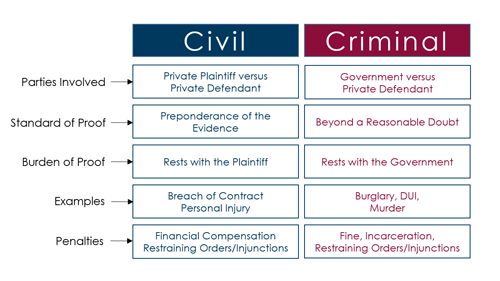
| Criminal Prosecution | Civil Lawsuit |
|---|---|
| Initiated by the State | Initiated by private citizens |
| Seeks punishment | Seeks compensation |
| May result in prison | Results in financial penalties |
| Public interest | Private interest |
A single act can lead to both criminal prosecution and a civil lawsuit.
When Does Criminal Prosecution Begin?


Criminal prosecution typically begins after:
-
A police investigation
-
A formal complaint
-
The issuance of an arrest warrant
-
A prosecutor’s review of evidence
It does not begin simply because an accusation exists. There must be legal grounds supported by evidence.
Consequences of Criminal Prosecution

If a person is convicted, consequences may include:
-
Prison or jail time
-
Fines
-
Probation
-
Community service
-
Criminal reco
-
Loss of professional licenses
Even an accusation alone can damage reputation, employment, and personal life.
Imp
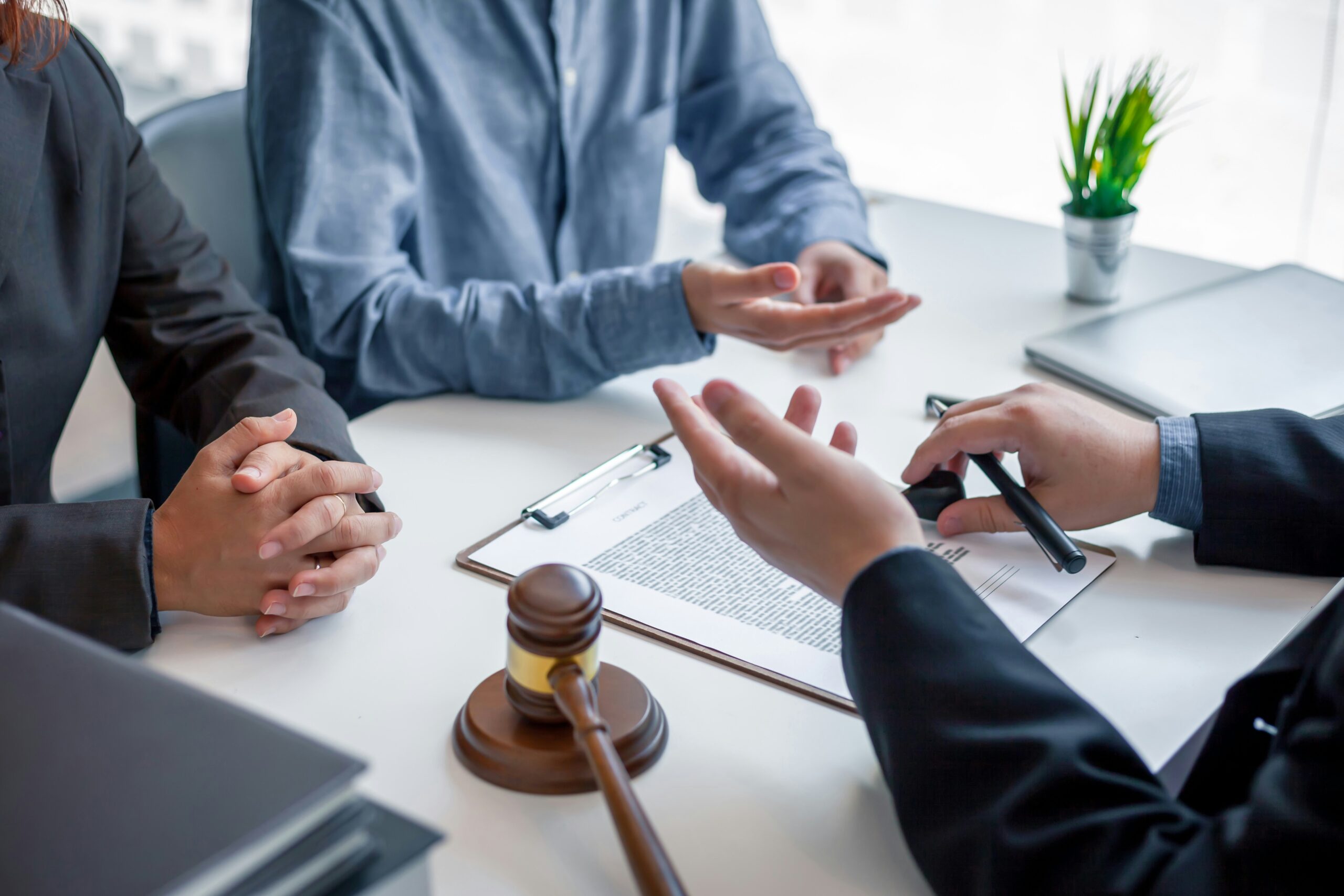

Facing criminal prosecution
-
Protect your rights
-
Challenge illegal evidence
-
Negotiate reduced charges
-
Build a defense strategy
-
Represent you in court
Proper legal representation often determines the outcome of a criminal case.
Rea
A person accused of fraud may face:
-
Criminal prosecution
-
Civil lawsuits by victims
-
Asset seizure
-
Prison
This shows how powerful and serious criminal prosecution can
Conclusion
Criminal prosecution is a powerful legal process through which the State
Understanding how criminal prosecution works helps individuals defend themselv
Final Call to Action
👉 If you or someone you know is under criminal investigation or facing criminal prosecution, seek imme. Early legal action can prot