Author: Domingo H.C
Published on: December 9, 2025
Introduction
Many people ask themselves whether it is really necessary to hire a lawyer or if they can represent themselves in court. While self-representation is legally allowed in many countries, the reality is that going to court without a lawyer carries serious legal and financial risks. Lawsuits involve strict procedures, deadlines, technical rules, and legal language that most people are not trained to handle.
Some individuals choose to represent themselves to save money, but in many cases, this decision leads to costly mistakes that could have been avoided with proper legal guidance. Understanding the real risks of self-representation is essential before making such an important decision.
1. Is It Legal to Represent Yourself in Court?

In many legal systems, individuals have the right to represent themselves in court. This is commonly known as “pro se” representation. While this right exists, the court does not provide legal assistance or guidance during the process.
Judges must remain neutral and cannot advise you on legal strategy, paperwork, or deadlines. This means that if you make a procedural mistake, the court is not obligated to correct it for you. Legal rights exist, but legal knowledge is still required to use them effectively.
2. The Complexity of Legal Procedures

Legal systems are built on complex rules that control how lawsuits are filed, how evidence is presented, and how arguments are structured. Missing a single deadline, submitting the wrong document, or using improper legal language can result in automatic case dismissal.
Lawyers spend years studying these procedures and practicing how to navigate them effectively. Without that training, most people unknowingly place their own case at risk.
3. Evidence Rules and Legal Strategy

Winning a lawsuit is not only about telling the truth. It also requires knowing how to properly introduce evidence, question witnesses, object to improper arguments, and follow rules of admissibility. Evidence that is presented incorrectly can be excluded entirely, even if it proves your case.
A lawyer knows how to build a legal strategy, anticipate opposing arguments, and protect your position at every stage of the process. Without that knowledge, self-representation becomes extremely risky.
4. Emotional Stress and Objectivity

Legal disputes are emotionally charged. When people represent themselves, emotions often interfere with judgment, decision-making, and communication in court. Fear, anger, stress, and frustration can lead to poor legal decisions that negatively affect the outcome.
A lawyer provides not only legal knowledge but also emotional distance and objective analysis. This balance is critical when facing legal conflict.
5. Financial Risks of Self-Representation

Many people believe that avoiding a lawyer saves money. However, losing a case due to legal mistakes can result in far greater financial losses, including court costs, damages, penalties, and long-term legal consequences.
In many cases, hiring a lawyer early is actually more affordable than paying the price of losing due to self-representation errors.
6. When Is Self-Representation Most Dangerous?

Self-representation is especially dangerous in cases involving criminal charges, immigration proceedings, family law disputes, and large financial claims. These areas of law carry severe consequences such as prison time, deportation, loss of child custody, or massive financial liability.
In these situations, legal representation is not just helpful — it is essential.
7. When Can a Lawyer Be Optional?
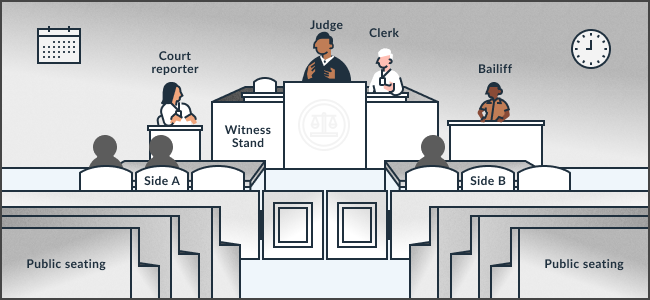
There are limited situations where self-representation may be reasonable, such as small claims court, minor civil disputes with low financial value, or uncontested administrative matters. Even in these cases, seeking at least one legal consultation is highly recommended.
A short legal review can help you avoid mistakes and strengthen your legal position.
Trusted Legal Resources
🔗 https://www.usa.gov/legal-aid
🔗 https://www.nolo.com
Final Call to Action
👉 If you are considering handling a lawsuit on your own, first consult with a licensed attorney. A single legal consultation can help you understand your risks, protect your rights, and avoid costly mistakes that could impact your future.