








Author: Domingo H.C
Published on: December 9, 2025
Introduction
One of the most common questions people ask before hiring a lawyer is, “How much will it cost?” Legal fees vary widely depending on the type of case, the lawyer’s experience, the location, and the complexity of the legal matter. Understanding how lawyers charge for their services helps you avoid surprises and make informed financial decisions.
Many people delay seeking legal help because they fear high costs. However, not hiring a lawyer at the right time often results in much higher expenses later due to fines, court losses, or missed legal opportunities.
1. Common Types of Lawyer Fee Structures
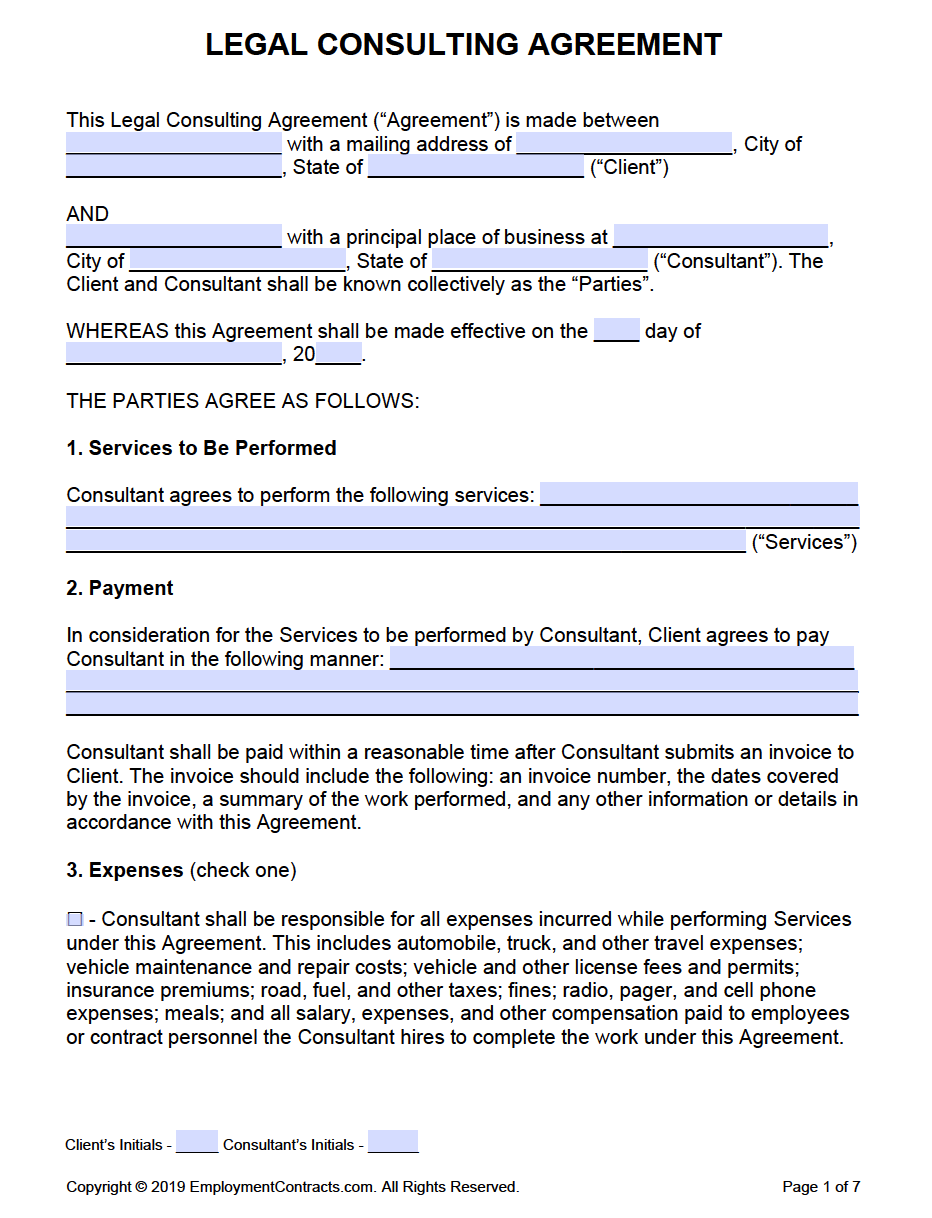
Lawyers generally use several types of fee structures. The most common is hourly billing, where clients pay for each hour of legal work. Another option is a flat fee, which is a fixed price for specific services such as drafting a contract or handling a simple divorce.
Some lawyers work on a contingency fee, meaning they only get paid if you win your case. This is common in personal injury cases. Understanding these structures helps you choose the best option for your situation.
2. What Factors Influence Legal Fees?

Several factors affect how much a lawyer charges. These include the complexity of the case, the lawyer’s experience and reputation, the geographical location, and the amount of time required to resolve the matter.
High-stakes cases involving criminal defense, immigration, or large financial disputes usually require more resources and time, which increases legal fees. Simple legal services often cost much less.
3. Hourly Rates vs. Flat Fees
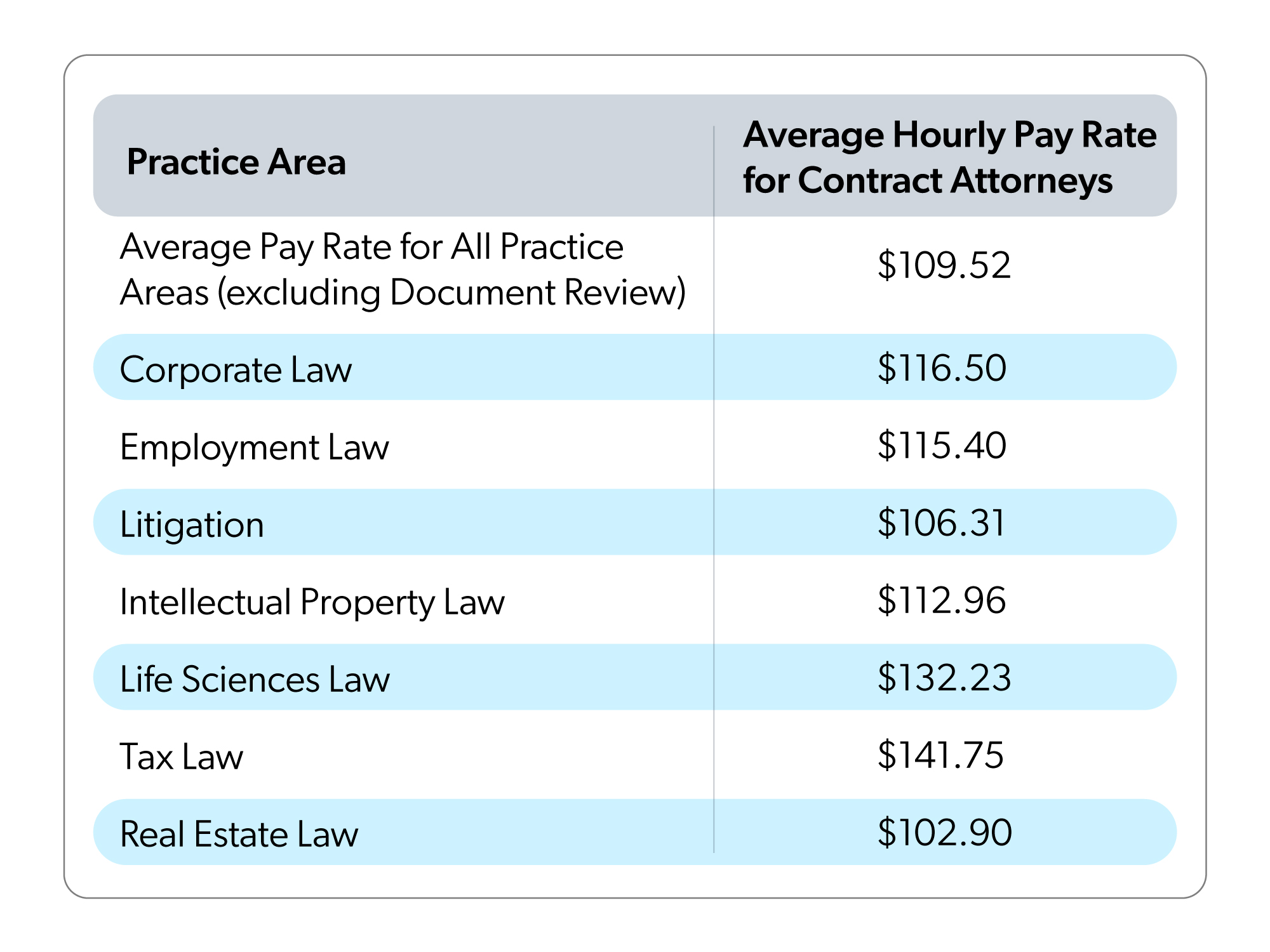
With hourly rates, clients pay for the time a lawyer spends on their case, including research, court appearances, and document preparation. This model is common in civil and criminal cases.
Flat fees, on the other hand, offer predictable costs. They are often used for legal services like wills, uncontested divorces, business registrations, and simple contracts. Flat fees help clients budget more effectively.
4. Contingency Fees and When They Apply

In contingency fee arrangements, the lawyer only gets paid if the client receives compensation. The fee is usually a percentage of the final settlement or court award. This structure is common in personal injury, accident, and wrongful death cases.
This option allows people who cannot afford upfront legal costs to still access professional legal representation.
5. Additional Legal Costs You Should Know About

Besides attorney fees, legal cases often involve extra costs such as court filing fees, expert witness fees, document processing, background checks, and investigation expenses. These costs can add up quickly if you are not prepared.
A good lawyer will explain these expenses in advance so you can plan your budget properly and avoid unexpected financial stress.
6. Why Cheap Lawyers Can Be Risky

Choosing a lawyer based solely on the lowest price can be risky. Inexperienced or overloaded lawyers may lack the time or knowledge to properly handle your case. Poor legal representation can result in case losses, higher long-term expenses, and permanent legal consequences.
It is always better to evaluate a lawyer based on experience, communication, transparency, and professional reputation rather than price alone.
7. Benefits of Knowing Legal Fees in Advance

Knowing legal fees in advance allows you to plan your finances, avoid disputes over billing, and build a professional relationship based on trust and transparency. A written fee agreement protects both the client and the lawyer.
Clear pricing also helps you compare legal services fairly and choose the right legal professional for your needs.
Trusted Legal Resources
🔗 https://www.usa.gov/legal-aid
🔗 https://www.avvo.com
Final Call to Action
👉 Before hiring a lawyer, ask for a clear fee agreement in writing. Understanding legal costs in advance protects your finances and ensures that you receive professional legal services without unpleasant surprises.